Where it runs
- Telecom operators: 5G core, signaling, and interconnect
- Internet exchanges and backbone carriers
- Cloud providers and large data centers
- Banks’ and payment companies’ main data centers
- Government and defense networks
A carrier-grade unit where a network meets the internet that drops attack floods while real traffic flows on.
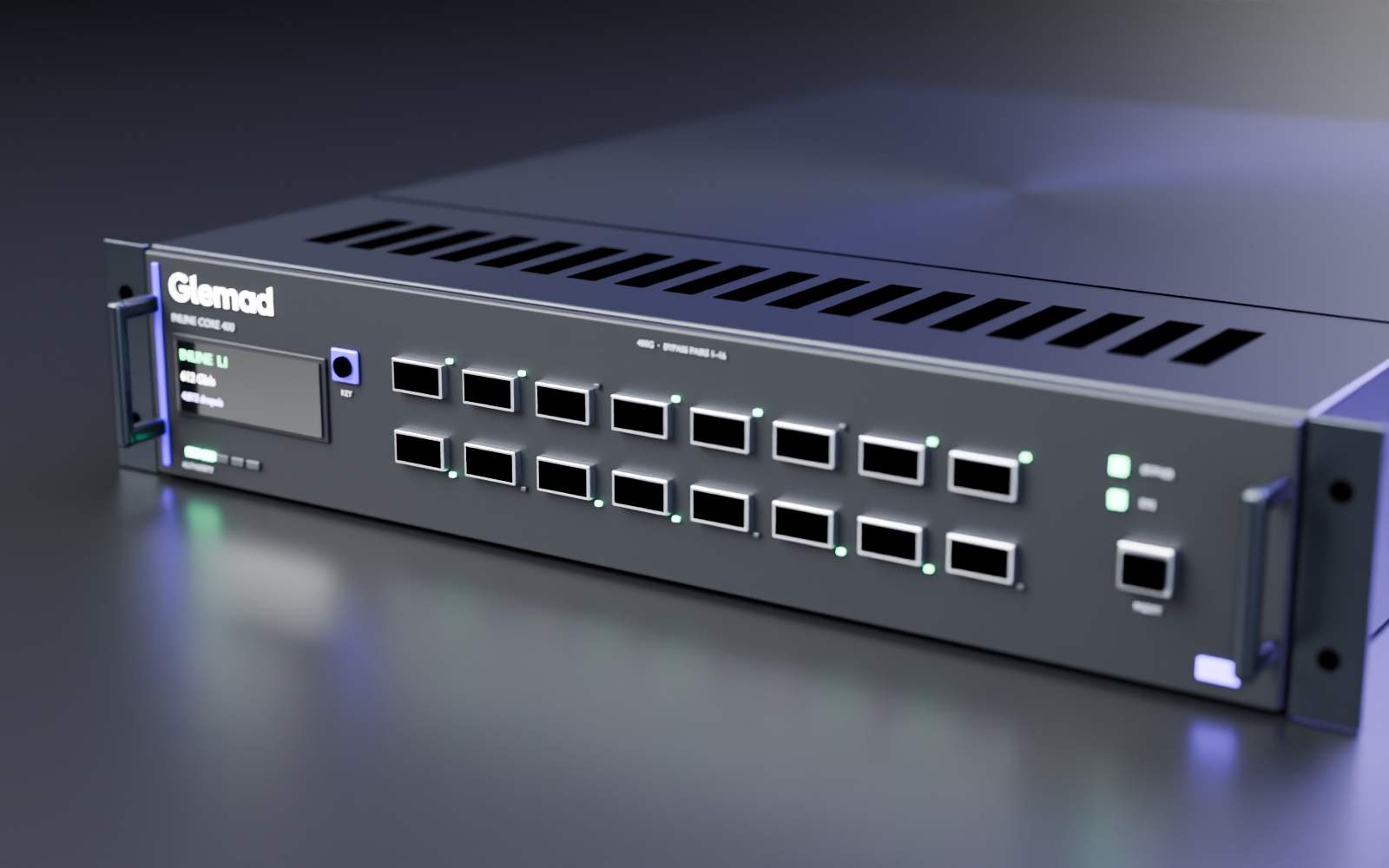
It sits on the main links, absorbs terabit-scale floods, and blocks signaling attacks and fraud on telecom networks. If it ever fails, traffic passes straight through.
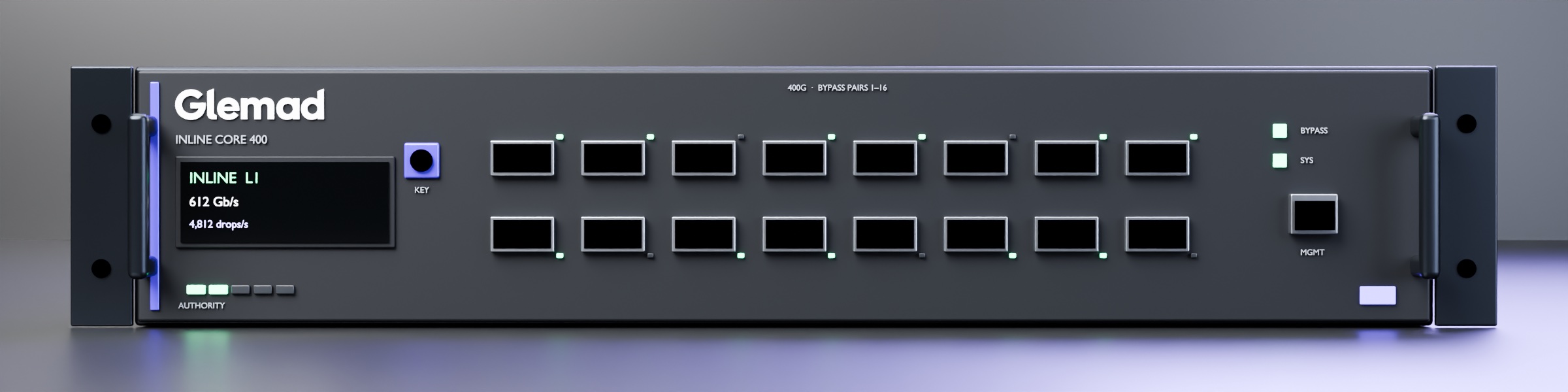
Cloud and server tools react in seconds to minutes, and attackers switch off agents on machines they control. Hardware in the network path keeps working when a server is taken over.
Average time from first break-in to spreading inside a network
CrowdStrike 2026The fastest recorded spread from first break-in
CrowdStrike 2026How long the record 31.4 Tbps flood lasted
StationXEvery Inline unit is designed so that action at machine speed can never take a network down or exceed the authority it was given.
A hardware bypass keeps traffic flowing if a unit crashes or loses power.
Each block or rate limit lapses unless Ollandi confirms it.
A unit acts on its own only to drop, rate-limit, or isolate. Bigger actions go to Ollandi and your people.
A named operator’s hardware key is needed to raise a unit’s authority level.
Each action is signed inside the unit and logged with a short packet capture.
Every deployment starts by watching and recording only, then goes live one level at a time.
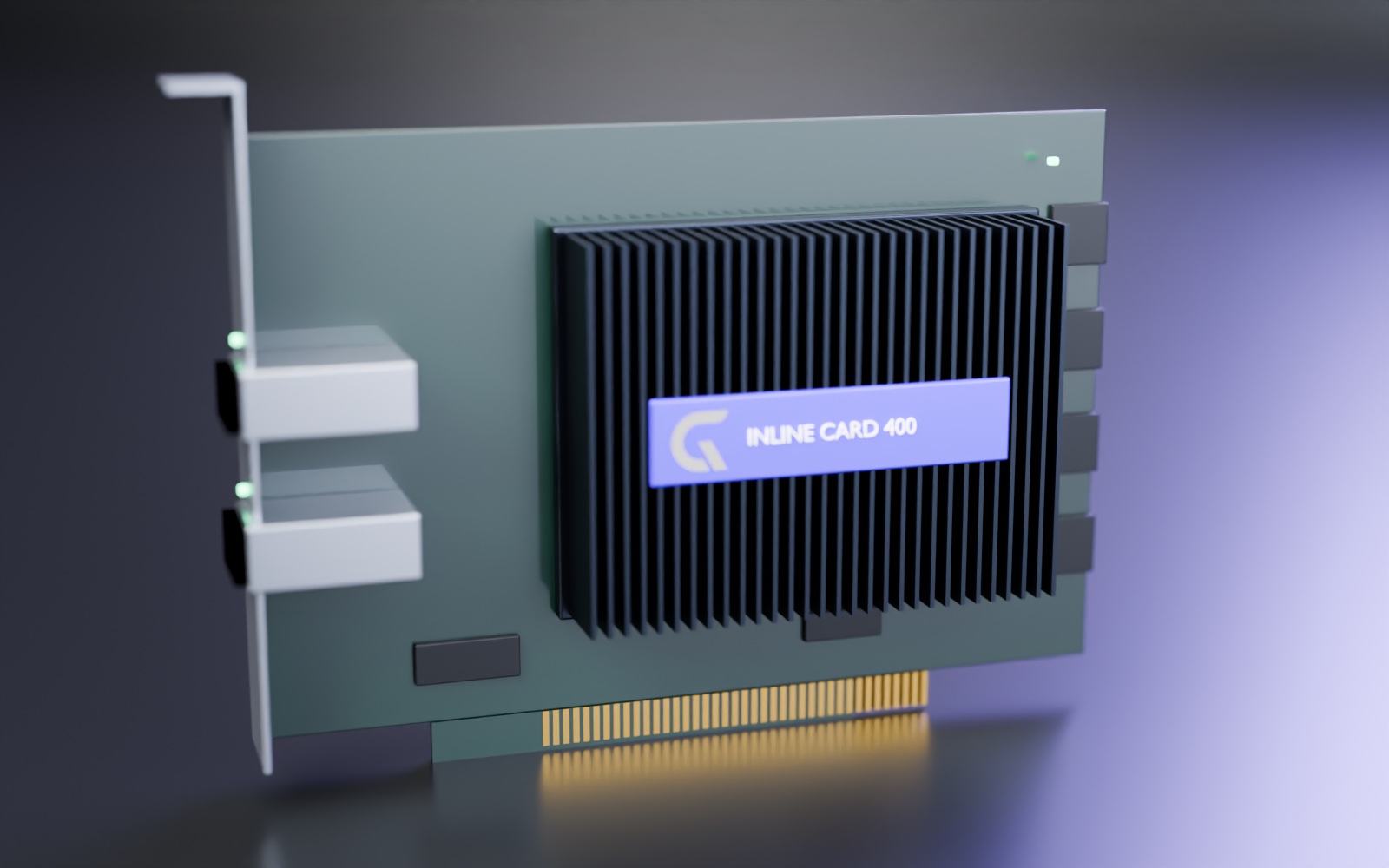
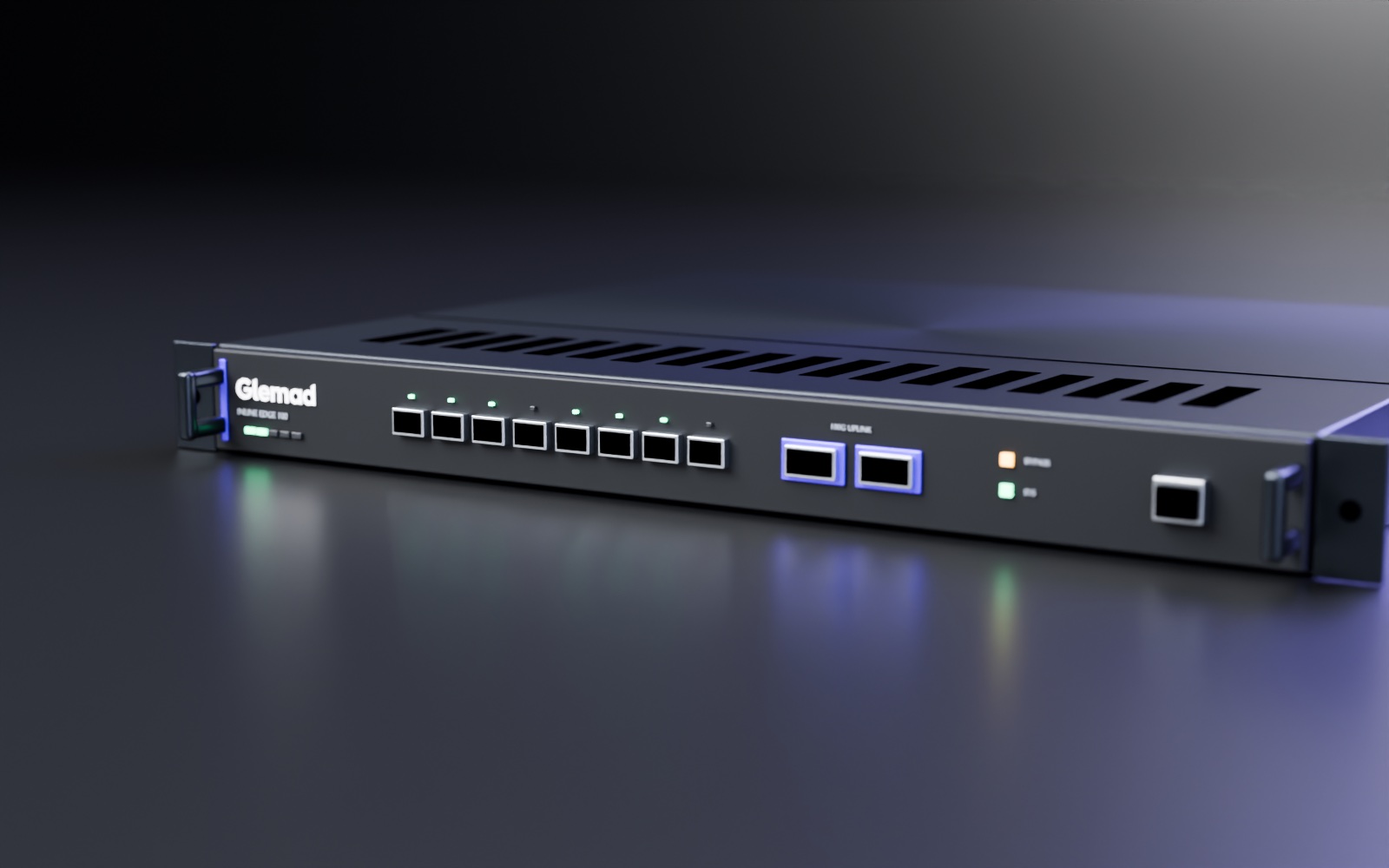
A card inside each server, a box at each site, and a carrier-grade unit where your network meets the internet, all run by Ollandi.
Every deployment starts in shadow mode, watching and recording only, then goes live one level at a time.